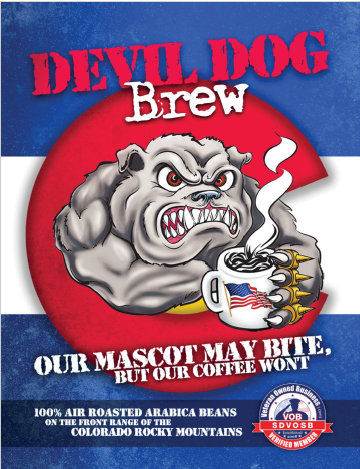
The two reasons our coffee is so damn good is that we ;
1) Air Roast & 2) Our Freezing operation.
Let us educate you on this process.
Have you ever hadcoffee that tastes burnt and bitter, or leaves you with a sour stomach and anunpleasant, jittery feeling? We usually attribute these characteristics to aparticular style of coffee roast or brand of coffee – though maybe it’sneither. In many cases, it’s the roasting equipment that causes undesirableflavors. You might stumble onto this realization by having a cup ofextraordinary coffee, ask what made it so, and discover Air-Roasted Coffee!
Conventional drumroasters (the type used by most Roasters) date back to the 1800’s andrely on radiant heat from the cylinder walls to transmit energy into the roastchamber. While improvements have been made over the years, the fundamentalflaws remain unchanged. In order to achieve sufficient roasting temperatureinside the drum the cylinder walls must be heated to excessive temperatures,which causes the beans to scorch and burn. The beans tumble within the cylinderen masse, much like clothes tumbling in a dryer, creating uneven roasting dueto inefficient heat transference – even when air is introduced into the drum. Additionally, dust and debris from the beans coatthe cylinder in an oily residue that then taint the roasting beans with bittertasting tars. Updates to the design, including modern roast profiling software,merely mask these issues without solving the problem inherent in the design.
With Air-RoastedCoffee, you taste the coffee not the roaster. The air, rather than the surfaceof the roaster, roasts the beans leaving the coffee with a very clean tastethat is intensely aromatic, without the acids and bitter tars produced byconventional roasters.
For example, a fluidbed roasted commercial batch of green beans can take l5, 20 or more minutes toroast, whereas the same sized batch can be roasted in 6 to 8 minutes inthe patented Sivetz roasters. This halving of roast time, alone, notonly constitutes doubling productivity, but it produces a brighter, cleaner,improved tasting and more aromatic coffee bean. The moisture in the green beansis driven off quickly, reducing soury tasting acids. Additionally, the high volume of air immediatelyremoves dust and debris from the beans so that the roaster walls – and thecoffee – remain clean. The progress of the roast is measured accurately by beantemperature, allowing for consistent and precise roast profiling.

Now comes the freezing part
By placing freshlyroasted beans in a hermetically sealed container, can or bag, with or w/o lowoxygen packaging at less than -l0 F in a commercial freezer, will stop therelease of CO 2 gas as well as aromatics, and stop any chemical reactions therein,and the fresh roast flavor is largely preserved, as verified by taste tests.
Now you know why weuse this form of roasting to give you the best tasting coffee in town.
A tip of the cup toMark Overley for this info from Michael Sivetz.
There are three basic components that affect the flavor of coffee: body, acidity and aroma. Body refers to the weight of the coffee, or mouthfeel. Acidity is the brightness experienced in the mouth. Aroma is the scent of the coffee as it reaches our old factory system, the nose.
As the coffee beans are roasted, the moisture in the beans is driven off and the organic matter is broken down. Simply put, acidity decreases as body increases.Too light a roast: acidity dominates; too dark: body becomes bitter. Along the way aromas are developed. The trick is to find the precise place to stop the roast for the best balance of all three.
Aroma is the most diverse element in coffee. Of the 1,000 or so chemical compounds that make up the flavor of coffee, around 80% of those are aromatic. That’s pretty complex, especially in relation to other beverages. It’s about three times the number found in wine.
A coffee’s flavor starts off with the chemical make-up of the bean, but it’s the roaster’s artistry that unlocks a bean’s potential and ensures that the flavoris balanced between body, acidity and aroma.

Aroma is one of the most important aspects of a coffee’s flavor. While body and taste are noticeable, it’s usually aroma that makes us fall in love with coffee.
Coffee aromas are complex. Of the more than1,000 identifiable compounds that make up coffee’s flavor, about 80% are aromatic.

Lots of companies talk community, but at Devil Dog Brew, community is our heart and soul. When we started our company, doingit right by our customers was at the top of the list. Informing our customersabout our mission and supplying a top-quality product for you.

Our Decaf blends are all ‘Swiss water ‘processed not chemical processed.
Our flavor blends are created with ‘SugarFree’ oils infused into the beans in small batches to control the quality ofour blends not mass produced with syrups full of sucrose corn starch. Thus, delivering flavorful coffee that ishealthier for you.

We began sourcing producers thatgrew only Arabica beans and processed coffee a better way. In the cool shade of mid to high mountain farms and washed with fresh clean water. Then we air roast our beans in small batches and freeze them for 24 hours before selling any product to bring out the bestin the bean producing a dark oily bean.

Our growers are small and vital totheir communities. Some are Women Owned, many are Fair Trade, but all arededicated to providing quality beans.
PURAVIDA CAFFE Medium bodied and sweet, with a dark chocolate aroma.
Puravida Caffe is a 100% Shade-Grown Organic, Fairtrade certified, full bodied espresso blend of Bolivia Caranavi and Peru Cajamarca. It has a smooth mouth feel with a sweet, chocolatey caramel aroma.
This particular blend has a density and richness that allows it to work not only as a fantastic organic espresso, but is great in a French Press or pour over as well.